



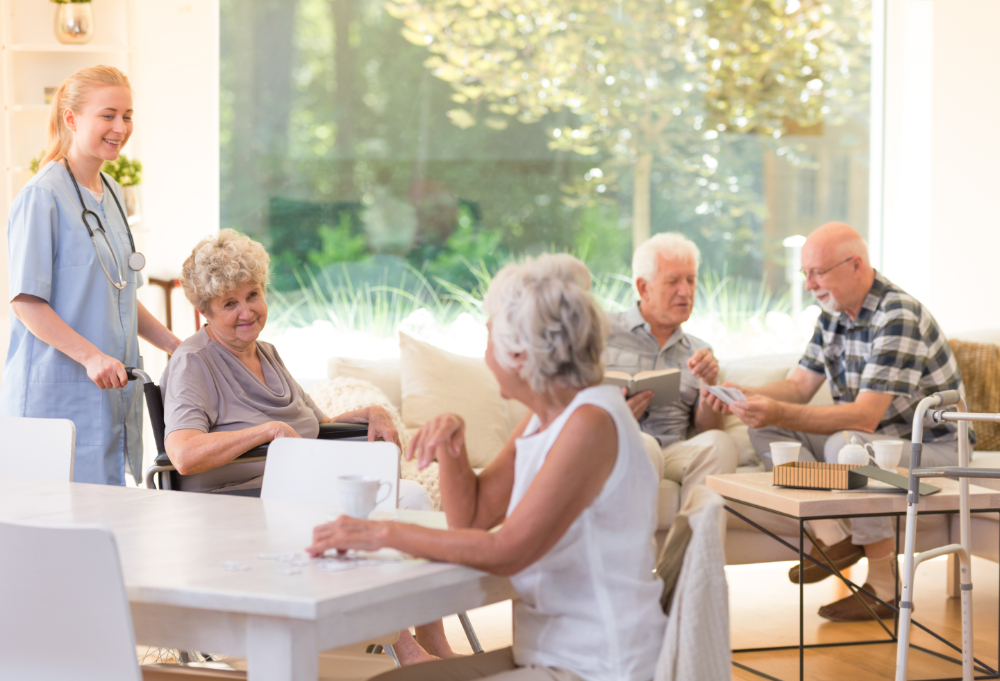
Moving into independent living does not mean giving up an active social life. For older adults in Detroit, the right community can make it easier to meet people, enjoy familiar routines, try new activities, and stay connected to the city and the people who matter most.
Independent living can offer a balance that many seniors want: privacy when you want it and opportunities for companionship when you do not want to spend the day alone. Activities, shared meals, group programs, and nearby Detroit attractions can all help residents build a routine that feels enjoyable and meaningful.
Quick answer: Activities and social life in independent living typically include opportunities for group recreation, meals, hobbies, conversation, celebrations, outings, and personal interests. Residents decide how involved they want to be. In Detroit, independent living can also help older adults remain connected to familiar neighborhoods, family members, community events, cultural attractions, and the wider Metro Detroit area.
What local readers should know
-
Independent living activities can provide regular opportunities to meet neighbors while still respecting each resident’s privacy and personal schedule.
-
Detroit offers cultural, recreational, religious, and community destinations that can complement activities offered within a senior living community.
-
Social opportunities may include games, crafts, music, exercise, shared meals, celebrations, and organized group activities, depending on the community.
-
Staying near Wayne County can make it easier for some residents to maintain relationships with family, friends, healthcare providers, faith communities, and familiar local organizations.
-
The best activity schedule is not necessarily the busiest one. It is the one that gives residents meaningful choices and opportunities to participate at their own comfort level.
Why Does Social Life Matter in Independent Living?
Social life matters in independent living because regular opportunities for conversation, recreation, and shared experiences can help older adults maintain an active daily routine while building connections with neighbors. In Detroit, staying socially engaged can also help residents remain connected to the neighborhoods, traditions, family relationships, and community experiences they already value.
A move to senior living is often a major lifestyle transition. Even when a person is excited about having fewer household responsibilities, leaving a longtime home can change familiar routines.
Social opportunities can make that transition feel more natural. A resident may start with something simple, such as joining neighbors for a meal or attending an afternoon activity. Over time, seeing familiar faces can create a stronger sense of community.
Detroit also gives local seniors many ways to remain connected to the wider area. Residents may already have relationships in neighborhoods such as Corktown, Midtown, Palmer Woods, or East English Village. They may have family throughout Wayne County or nearby Metro Detroit communities. Independent living does not have to separate someone from those relationships.
At Nirvana House Assisted Living, we understand that quality of life includes more than having a comfortable place to live. Social interaction, personal choice, familiar routines, and opportunities for enjoyable activities can all contribute to a more engaging day.
What Types of Activities Can Independent Living Residents Enjoy?
Independent living residents can enjoy activities that support recreation, creativity, movement, conversation, and personal interests, with specific programs varying by community. The goal is to provide choices so residents can participate in activities they genuinely enjoy instead of feeling pressured to follow a rigid schedule.
Potential activities in an independent living setting may include:
-
Board games and card games
-
Arts and crafts
-
Music activities
-
Movie afternoons
-
Light exercise or movement programs
-
Holiday and birthday celebrations
-
Discussion groups
-
Shared meals or refreshments
-
Gardening or seasonal activities
-
Organized social gatherings
Residents may also continue hobbies independently or spend time with visiting friends and family.
Detroit’s seasons can influence activity choices as well. Indoor programs can be particularly appealing during colder Michigan weather, while spring, summer, and early fall may create more opportunities to enjoy outdoor spaces and community outings.
Local Data or Field Observations
For independent living, the most useful local observation is that social preferences vary significantly from one resident to another, so flexibility matters more than simply offering a long activity calendar. Some older adults enjoy frequent group interaction, while others prefer occasional activities combined with plenty of personal time.
Rather than assuming every resident wants the same experience, families should look at how a community encourages participation.
Consider whether residents can choose among different activities, whether there are comfortable places to socialize informally, and whether people can maintain connections beyond the residence.
Detroit seniors may also have longstanding connections to churches, community organizations, clubs, restaurants, cultural institutions, or family traditions throughout the region. Continuing those connections can be just as meaningful as participating in activities inside the community.
How Can Independent Living Affect a Senior’s Daily Life?
Independent living can make daily life more socially accessible by putting neighbors, shared spaces, and planned activities close to home. Instead of coordinating transportation or making extensive plans every time they want companionship, residents may have opportunities for conversation and recreation within their own community.
That convenience can be especially meaningful during a Michigan winter, when snow, cold temperatures, and shorter daylight hours may make spontaneous trips less appealing.
A resident might spend the morning enjoying a favorite personal activity, join others later for a game or conversation, and then have family visit in the evening. Another resident might prefer only one or two social activities each week.
Both approaches can work.
Social living should support independence rather than replace it.
What Are Signs a Senior May Benefit From More Social Opportunities?
A senior may benefit from additional social opportunities when loneliness, reduced participation in favorite activities, or difficulty maintaining previous routines begins affecting everyday life. These signs do not automatically mean independent living is necessary, but they can help families start a useful conversation about housing and lifestyle choices.
Possible signs include:
-
Spending significantly more time alone than previously
-
Losing interest in hobbies once enjoyed
-
Having fewer opportunities to see friends
-
Finding transportation to social activities increasingly inconvenient
-
Feeling isolated during Detroit’s colder months
-
Missing regular group meals or community gatherings
-
Wanting more opportunities to meet people with similar interests
-
Expressing interest in a lifestyle with fewer household responsibilities
Families should focus on what the older adult wants rather than assuming more activity is automatically better.
When Should Families Explore Independent Living?
Families should explore independent living when an older adult wants greater convenience, more opportunities for social interaction, or a community-oriented lifestyle while still valuing personal independence. Visiting communities before there is an urgent need allows seniors to compare environments, activities, living arrangements, and social opportunities at their own pace.
A visit can answer questions that are difficult to resolve through photographs or descriptions.
Pay attention to common areas. Are residents using them? Is there space for conversation? Does the environment feel comfortable? Ask how activities are planned and whether residents have input.
Families in Detroit should also consider location. Remaining close to relatives, healthcare providers, places of worship, favorite restaurants, or familiar neighborhoods may be an important part of maintaining continuity.
What Can Make Socializing More Difficult for Older Adults?
Socializing can become more difficult when transportation, weather, changing mobility, shrinking social circles, or the loss of familiar routines makes connecting with other people less convenient. In Southeast Michigan, winter conditions can add another practical barrier for seniors who previously relied on frequent driving or outdoor activities.
Common factors may include:
Transportation challenges: Driving across Detroit or surrounding Metro Detroit communities may become less appealing, particularly after dark or during poor weather.
Changes among friends: Friends may move, develop different schedules, or experience health changes that make regular gatherings harder to maintain.
Household isolation: Someone living alone may go long stretches without informal conversation, even if family visits regularly.
Seasonal limitations: Cold temperatures, snow, and icy conditions may reduce spontaneous social outings.
Changing interests: Activities that were convenient or appealing years ago may no longer fit a senior’s current lifestyle.
Independent living can address some of these barriers by bringing opportunities for interaction closer to where residents live.
How Can Seniors Maintain an Active Social Life?
Seniors can maintain an active social life by combining community activities with personal hobbies, family relationships, local outings, and regular interaction with friends. In Detroit, a varied routine may include both activities close to home and continued participation in familiar destinations throughout the city.
Helpful approaches include trying one new activity at a time, scheduling regular family visits, continuing favorite hobbies, eating with others when desired, and maintaining connections with established community groups.
Local interests can remain part of the routine too. Detroit offers well-known destinations and cultural traditions associated with places such as Belle Isle, the Detroit River, Eastern Market, Midtown, and the city’s museums and entertainment districts.
Participation does not need to mean filling every hour.
A healthy independent living routine can include quiet mornings, personal hobbies, occasional outings, shared meals, and selected group activities.
What Should Residents Expect From Independent Living Activities?
Residents should expect independent living activities to provide choices rather than obligations, allowing each person to decide how much social interaction fits their lifestyle. The strongest communities make it possible to participate without making residents feel that they must attend every event.
Someone who loves games may look forward to regular card sessions. Another resident may care more about music. Someone else may primarily enjoy informal conversations during meals.
Preferences can also change over time.
A resident who initially keeps mostly to themselves may eventually become more involved after getting to know neighbors. Another person may participate heavily at first and later settle into a quieter routine.
The important factor is having options.
Common Mistakes Families Make When Evaluating Social Life
The most common mistakes involve focusing only on the number of scheduled activities instead of considering whether the activities, environment, and level of participation actually fit the senior. Detroit families can make a better decision by evaluating everyday life rather than simply comparing calendars.
Mistake: Assuming more activities always means a better community.
Consequence: A long calendar has little value if the resident does not enjoy the available programs.
Better approach: Look for variety, flexibility, and activities that match personal interests.
Mistake: Choosing activities for a parent without asking what they want.
Consequence: The senior may feel that independent living is reducing rather than supporting independence.
Better approach: Include the future resident in tours, conversations, and decisions.
Mistake: Ignoring informal social opportunities.
Consequence: Families may overlook the importance of shared spaces, meals, and everyday conversations.
Better approach: Observe how residents interact outside scheduled programs.
Mistake: Forgetting about outside relationships.
Consequence: Moving can unintentionally disrupt valued routines.
Better approach: Consider access to family, faith communities, healthcare, and favorite places throughout Detroit and Wayne County.
A Common Detroit Independent Living Scenario
A common Detroit independent living scenario involves an older adult who is still largely independent but finds that maintaining a home and arranging regular social activities has become less appealing. The person may still drive, visit family, attend community events, or enjoy familiar neighborhoods but want more opportunities for interaction close to home.
After moving, that resident might choose a few activities each week while maintaining outside relationships.
The important point is that independent living does not have to mean replacing an existing lifestyle. Ideally, it creates a comfortable home base from which residents can continue enjoying important relationships and interests.
What Independent Living Services Support an Active Lifestyle?
Independent living services can support an active lifestyle by reducing everyday burdens and creating convenient opportunities for residents to spend their time on relationships, hobbies, recreation, and personal interests. Available services vary by community, so families should ask specifically what is included before making a decision.
At our community, we encourage families to think beyond the apartment or room itself. Consider how the overall environment fits the senior’s preferred daily routine and desired level of social interaction.
How Should Families Compare Independent Living Options?
Families should compare independent living options based on lifestyle fit, location, social opportunities, personal preferences, and available services rather than choosing solely by appearance or the size of the activity calendar. Visiting several communities can make differences in atmosphere and resident experience much easier to recognize.
During a tour, consider asking:
-
How often are activities offered?
-
What kinds of programs are most popular?
-
Can residents suggest new activities?
-
Are activities optional?
-
Where do residents gather informally?
-
Can family members visit and participate in appropriate events?
-
How does the community help new residents become familiar with activities?
-
Which services are included, and which may carry additional costs?
Families should also compare the location with the resident’s existing life in Detroit. Being close to familiar neighborhoods or relatives may make the transition easier.
What Areas Do We Serve?
We serve older adults and families considering senior living in Detroit and the surrounding area. Our location may be especially convenient for families who want to keep a loved one connected to Wayne County, nearby Detroit neighborhoods, and the broader Metro Detroit community.
Families are encouraged to contact us directly to confirm current availability and discuss whether our services match their needs.
What Can Happen When Social Isolation Goes Unaddressed?
When social isolation goes unaddressed, an older adult may have fewer opportunities for conversation, recreation, shared experiences, and participation in activities they once enjoyed. The practical concern for Detroit families is not simply how often someone leaves home, but whether that person’s current lifestyle provides the connection and engagement they actually want.
Waiting until a senior feels deeply dissatisfied with their living situation can make housing decisions feel more urgent.
Exploring independent living earlier allows families to compare options calmly and involve the older adult fully in the process.
Frequently Asked Questions About Activities and Social Life in Independent Living
What activities are available in independent living in Detroit?
Activities in Detroit independent living communities vary, but they may include games, crafts, music, exercise, celebrations, movies, shared meals, and social gatherings. Families should ask each community for its current activity schedule rather than assuming programs are the same everywhere. The best options are those that match the resident’s genuine interests.
Do seniors have to participate in independent living activities?
No, independent living activities are generally intended to provide opportunities rather than eliminate personal choice. Residents should be able to decide how socially active they want to be. When touring a Detroit community, ask how participation works so you understand whether residents can comfortably balance group activities with private time.
Can family members still visit someone in independent living?
Family relationships can remain an important part of life after a move to independent living, although visitation practices vary by community. Seniors in Detroit may continue spending time with children, grandchildren, friends, and other loved ones. Families should ask prospective communities about their current visitor policies and shared gathering spaces.
How does Detroit weather affect senior social activities?
Detroit’s cold winters can make convenient indoor social opportunities especially appealing when snow, ice, and low temperatures make travel less comfortable. During warmer months, residents may have more opportunities for outdoor activities or local outings. A varied activity program can help provide options throughout Michigan’s changing seasons.
Can independent living residents still go places around Detroit?
Independent living is designed to support an independent lifestyle, so residents may continue enjoying destinations and relationships outside their community according to their individual abilities and transportation arrangements. That may include visiting relatives, restaurants, faith communities, Eastern Market, Belle Isle, Midtown, or other familiar locations throughout the Detroit area.
How can I tell whether my parent would enjoy independent living?
The best indicator is whether your parent wants greater convenience and easier access to social interaction while maintaining meaningful personal independence. Ask what they like about their current lifestyle and what has become frustrating. Touring Detroit communities together can help them imagine daily life and compare options based on their own priorities.
Is independent living only for very social people?
No, independent living can work for people with many different social preferences. Some residents enjoy frequent activities, while others mainly appreciate knowing that companionship is available when they want it. A quieter Detroit senior should look for a community that respects privacy while still providing comfortable opportunities to meet neighbors.
What should we look for on an independent living tour in Wayne County?
Look beyond the building itself and observe how residents use common spaces, what activities are offered, how welcoming the environment feels, and whether the location supports existing relationships. Ask about activity choices, meals, visitors, transportation, services, and costs. Most importantly, consider whether the senior can picture themselves comfortably living there.
Find a More Connected Senior Living Lifestyle in Detroit
A fulfilling senior lifestyle can include independence, privacy, familiar relationships, and new opportunities for connection. We help Detroit-area families explore a living environment where older adults can maintain personal choice while having social opportunities closer to home.