



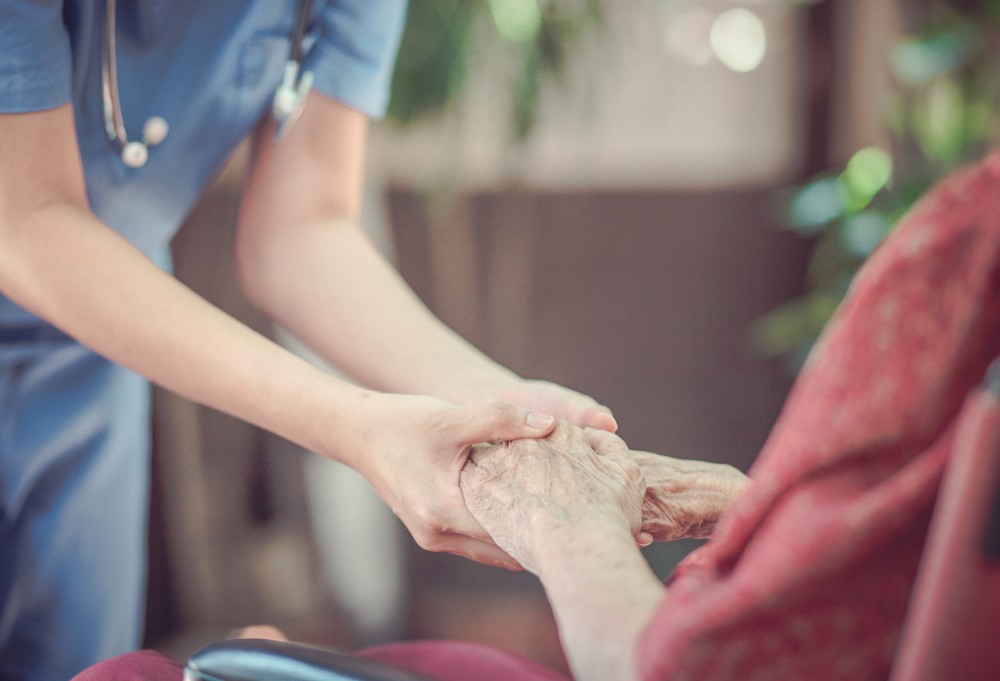
Making the right care decision for an aging loved one is one of the most emotional and complex responsibilities a family can face. When a senior’s health needs begin to exceed what can be managed at home or in a standard residential setting, skilled nursing for seniors becomes an important option to explore. But how do you know when that threshold has been crossed?
Understanding the signs, the differences between care types, and what skilled nursing actually provides can help families make informed, confident decisions.
Recognizing the Signs That Care Needs Have Changed
The first step in evaluating skilled nursing for seniors is paying close attention to changes in daily functioning and health stability. Many families notice a gradual decline over time, while others are thrust into the decision following a sudden medical event such as a stroke, a serious fall, or a major surgery.
Some of the most telling indicators include an inability to manage medications safely, frequent hospitalizations, wounds that are not healing properly, or a new diagnosis that requires ongoing clinical monitoring. When a senior can no longer reliably perform basic daily activities such as bathing, dressing, eating, or moving from room to room without significant assistance, it signals that the level of care needed has increased substantially.
Cognitive decline also plays a major role. When memory loss or dementia progresses to the point where a person cannot be safely left alone, and where behavioral symptoms require structured intervention, a skilled nursing setting may be the safest and most appropriate environment. Senior health monitoring at this level requires trained clinical staff available around the clock, not just part-time aides or family caregivers working in shifts.
It is also worth noting that caregiver burnout is itself a sign that the current arrangement is no longer sustainable. When family members are exhausted, stressed, or unable to meet the physical demands of care, the quality of that care often suffers. Recognizing this reality is not a failure; it is an honest assessment that leads to better outcomes for everyone.
Understanding the Difference Between Nursing Care vs Assisted Living
One of the most common points of confusion for families is the distinction between nursing care vs assisted living. These two options are frequently discussed together, but they serve different populations and provide very different levels of support.
Assisted living communities are designed for seniors who are largely independent but benefit from help with daily tasks such as meals, housekeeping, medication reminders, and transportation. Residents in assisted living typically do not require continuous medical supervision or clinical interventions. These communities offer a social, residential atmosphere with support staff on hand, but they are not equipped to manage complex or unstable medical conditions.
Skilled nursing facilities, by contrast, are licensed medical environments staffed by registered nurses, licensed practical nurses, and certified nursing assistants, often supported by on-site physicians, physical therapists, occupational therapists, and speech-language pathologists. The care delivered in these settings is clinically driven and designed to address serious, ongoing health conditions.
When a senior requires IV therapy, wound care, tube feeding, ventilator support, or intensive rehabilitation following a hospitalization, assisted living is simply not equipped to meet those needs. Choosing between nursing care vs assisted living is therefore not just a lifestyle decision; it is a medical one that should involve input from the senior’s physician and care team.
What Skilled Nursing Facilities Actually Provide
Many families are surprised to learn the full scope of services available within rehab nursing facilities. The perception that these are simply places where people go to live out their final years is outdated and inaccurate. Today, skilled nursing facilities serve a wide range of patients, from those recovering from orthopedic surgeries to individuals managing chronic diseases that require ongoing clinical attention.
Medical care for seniors in a skilled nursing setting includes round-the-clock nursing supervision, pain management, medication administration, and coordination with specialist physicians. Rehabilitation services such as physical therapy, occupational therapy, and speech therapy are typically offered five to seven days per week, with the goal of restoring function and helping residents return to the highest possible level of independence.
Rehab nursing facilities also provide structured nutritional support, mental health services, social work assistance, and end-of-life care planning when appropriate. Many facilities offer short-term stays specifically designed for post-hospital recovery, while others provide long-term care for individuals whose needs cannot be safely managed in any less restrictive environment.
The interdisciplinary nature of skilled nursing care is one of its greatest strengths. Rather than relying on a single provider or informal support network, residents benefit from a coordinated team of professionals who communicate regularly and adjust care plans based on progress and changing needs.
The Role of Post-Hospital Care in Recovery
Post-hospital care is one of the most critical and frequently underestimated phases of a senior’s health journey. Research consistently shows that what happens in the days and weeks immediately following a hospitalization has a significant impact on long-term outcomes, including the likelihood of readmission.
When a senior is discharged from the hospital after a hip replacement, cardiac event, pneumonia, or neurological incident, they are often not ready to return home safely. Skilled nursing facilities bridge that gap by providing the intensive, medically supervised rehabilitation and monitoring that the transition from hospital to home requires.
Post-hospital care in a skilled nursing setting is typically covered under Medicare Part A for qualifying stays, making it an accessible option for many seniors. The coverage generally applies when the patient has had a qualifying hospital stay of at least three days and requires daily skilled care such as physical therapy or complex wound management.
Senior health monitoring during this transitional period is far more comprehensive than what can be achieved at home, even with home health aides. Vital signs, pain levels, medication responses, and rehabilitation progress are tracked consistently by clinical staff who are trained to detect early warning signs and respond quickly to complications.
How to Start the Conversation and Take the Next Step
Bringing up the topic of skilled nursing for seniors with a loved one is rarely easy. The conversation touches on deeply personal issues including independence, dignity, fear of loss, and uncertainty about the future. Approaching it with empathy, honesty, and preparation makes a significant difference.
Start by gathering information before initiating the discussion. Speak with the senior’s primary care physician or specialist to get a clear picture of current medical needs and what level of care is clinically recommended. Having that professional perspective helps ground the conversation in objective information rather than emotion alone.
When speaking with your loved one, focus on their goals and values. Ask what matters most to them in terms of comfort, safety, and quality of life. Many seniors, when they understand that skilled nursing care is about getting better and staying healthy rather than giving up, are more open to considering it as a legitimate option.
Touring facilities in advance is also highly recommended. Visiting in person allows families to assess the environment, meet the staff, ask detailed questions about care protocols, and get a realistic sense of what daily life looks like within that setting. Medical care for seniors is not a one-size-fits-all situation, and finding the right facility requires thoughtful evaluation.
Conclusion
Knowing when skilled nursing care is needed is rarely a single, clear moment. It is more often a gradual recognition shaped by medical realities, caregiver capacity, and an honest evaluation of what a loved one truly needs to stay safe and healthy. By understanding the difference between nursing care vs assisted living, knowing what rehab nursing facilities offer, and taking post-hospital care seriously, families can approach this decision with greater clarity and confidence.
Contact Us Today
At Nirvana House Assisted Living, we provide continuous monitoring of each resident’s health and evolving needs, ensuring care plans are thoughtfully adjusted as conditions change. With 24/7 support and supervision, we stay attentive and responsive at all times, while maintaining strong communication with families so you are always informed and confident in your loved one’s care. We also offer clear guidance on choosing the right level of care and support families through every transition with compassion, always prioritizing dignity and quality of life. Contact us today to learn how we can support your family.